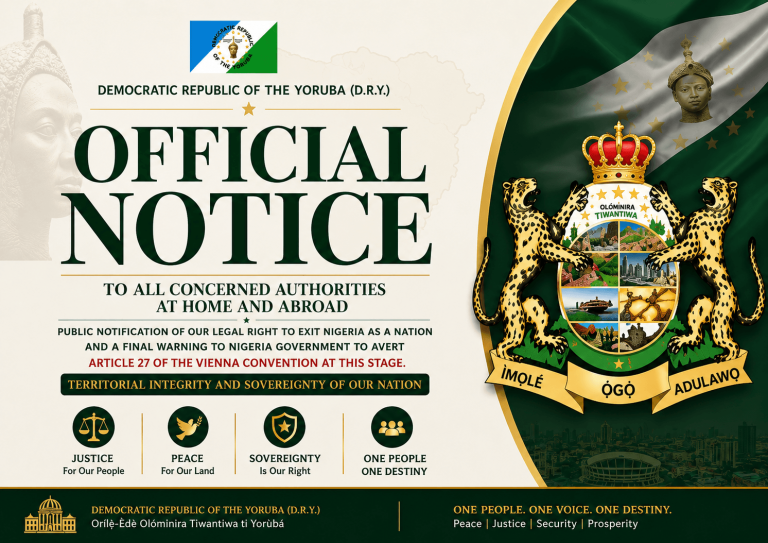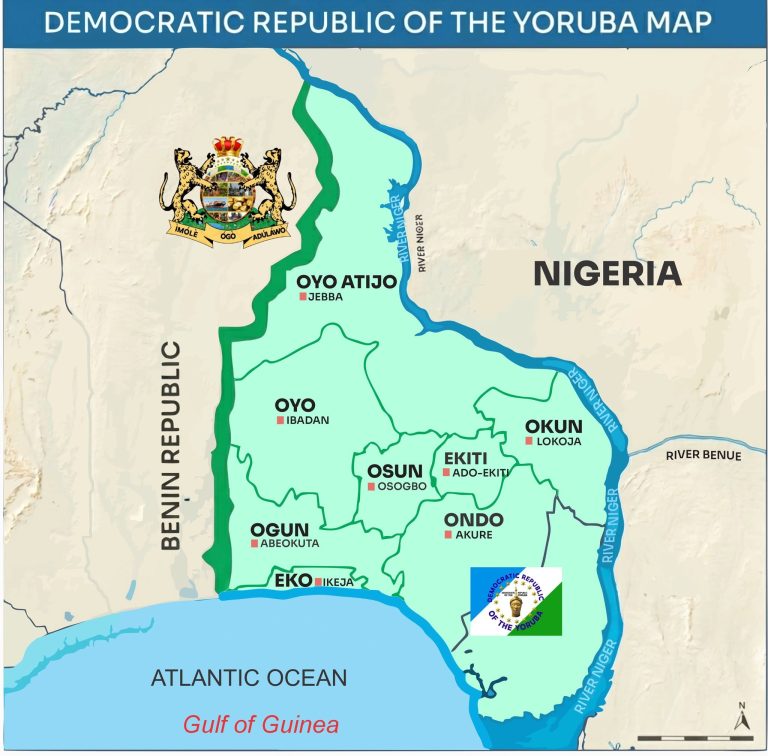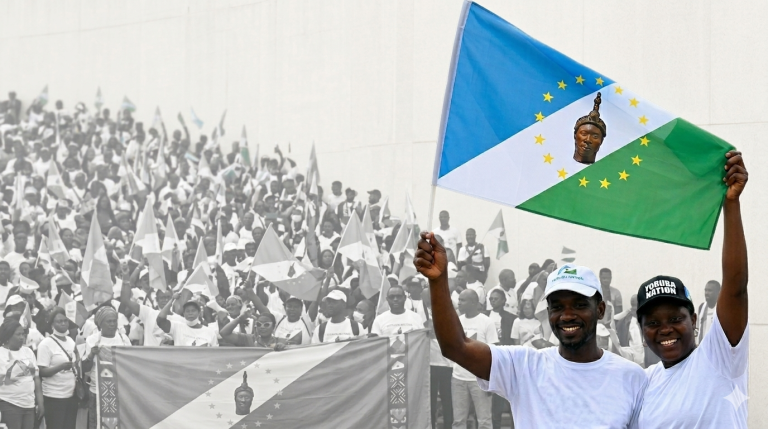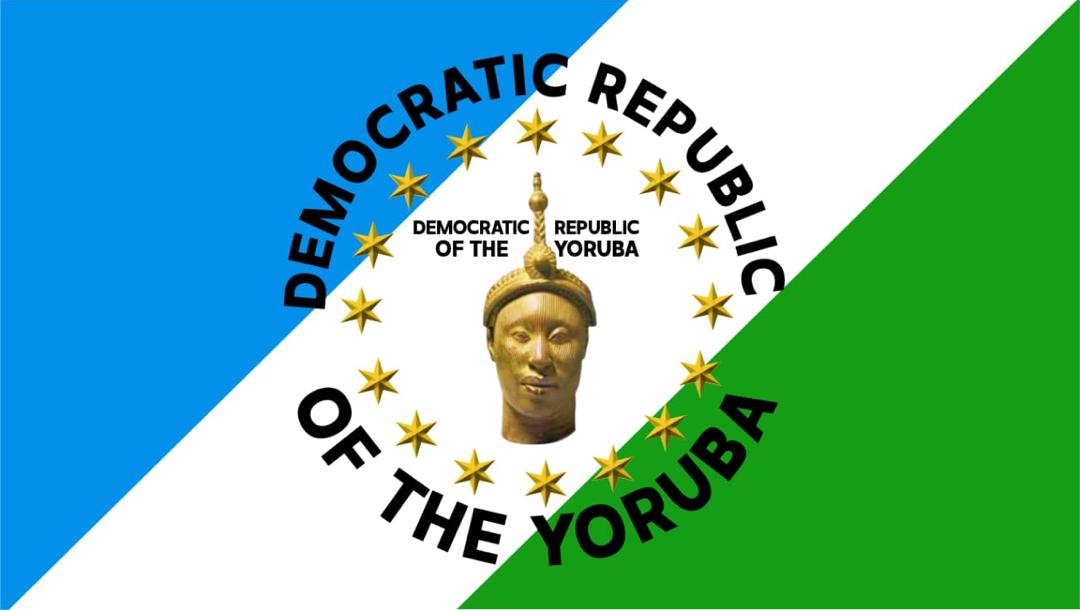
The Democratic Republic of the Yoruba (D.R.Y.) is described by its supporters as the proposed sovereign homeland and political expression of the Indigenous Yoruba People (IYP).
According to supporters, D.R.Y. represents a vision for a Yoruba-led society built on security, accountable governance, economic prosperity, cultural identity, education, justice, and democratic values.
Supporters describe D.R.Y. as an effort to create a future where Yoruba people can collectively shape their political, economic, and social destiny through institutions they believe better reflect Yoruba history, values, and aspirations.
The idea draws inspiration from the long historical legacy of the Yoruba people, whose civilization predates modern Nigeria and includes historic kingdoms such as Ile-Ife, Oyo, Ijebu, Egba, Ondo, Ekiti, and Ibadan.
For many supporters, the Democratic Republic of the Yoruba is not only a political idea.
It is also about:
- preserving Yoruba identity and heritage
- strengthening security and local governance
- improving economic opportunities
- protecting future generations
- promoting education and innovation
- building accountable institutions
- creating a society rooted in dignity, peace, and prosperity
Supporters also emphasize peaceful civic participation, democratic dialogue, and long-term nation-building as central to their vision.
Why the Democratic Republic of the Yoruba?
Supporters of D.R.Y. often say the question is not simply:
“Why D.R.Y.?”
But rather:
“Why do many Yoruba people believe change is necessary?”
Many supporters point to several long-standing concerns:
1. Security Concerns
Some supporters argue that insecurity, kidnappings, violent crime, and fear in parts of Nigeria have raised difficult questions about safety and the protection of communities.
2. Governance and Accountability
Supporters often express frustration with governance challenges, corruption, and slow institutional reforms, arguing that local priorities are sometimes not adequately addressed.
3. Economic Development
Many believe Yorubaland possesses strong economic potential through commerce, agriculture, technology, ports, entrepreneurship, education, tourism, and human capital.
Supporters argue that stronger regional control and governance could unlock greater prosperity.
4. Cultural Identity and Heritage
For many supporters, preserving the Yoruba language, traditions, customs, philosophy, and identity is deeply important.
They believe future generations should inherit a strong cultural foundation.
5. Historical Identity
Supporters often point to the long history of Yoruba civilization before colonial rule, emphasizing systems of governance, commerce, diplomacy, and cultural organization that existed centuries before modern Nigeria.
6. Self-Determination
Supporters argue that all peoples should have the opportunity to discuss and peacefully pursue their political future through democratic participation and civic dialogue.
For many supporters, D.R.Y. represents hope:
Hope for stronger institutions.
Hope for safer communities.
Hope for economic opportunity.
Hope for dignity.
Hope for accountable leadership.
And hope for a future they believe reflects Yoruba aspirations and values.
Whether one agrees with the idea or not, the conversation around the Democratic Republic of the Yoruba continues to shape debates about identity, governance, federalism, and the future of the Yoruba people.